The Simple Guide to Maximize Efficiency for DTC Streetwear Brands
In the relentless world of direct-to-consumer streetwear, efficiency isn’t just an advantage—it’s survival. While your competitors are still figuring out their basic operations, you need to be three steps ahead, maximizing every process, every customer interaction, and every dollar spent. This simple guide to maximize efficiency will give you the blueprint to dominate your market while others are still playing catch-up.
The streetwear game has evolved beyond recognition. What started as simple drop-shipping operations has transformed into sophisticated, data-driven businesses that demand operational excellence at every level. For hustle-driven brands in the DTC space, maximizing efficiency isn’t just about cutting costs—it’s about creating a lean, mean, profit-generating machine that scales without breaking.
Why Maximizing Efficiency is Non-Negotiable for Hustle-Driven Brands
The DTC landscape is brutal. With over 90% of DTC startups failing within five years, the difference between success and failure often comes down to operational efficiency. Rising customer acquisition costs, increasing consumer expectations, and fierce competition mean that every inefficiency in your business is money bleeding out of your pocket.
Efficiency in the DTC streetwear space means more than just fast shipping. It’s about creating systems that work harder so you don’t have to. It’s about leveraging technology to do the heavy lifting while you focus on what matters: building a brand that resonates with your community and drives consistent growth.
The most successful DTC streetwear brands understand that efficiency creates competitive advantages that are nearly impossible to replicate. When you can fulfill orders faster, respond to customers quicker, and adapt to market changes with lightning speed, you’re not just competing—you’re dominating.
Hyper-Personalization: Creating Tailored Shopping Experiences That Drive Loyalty
Today’s consumers don’t just want products—they demand experiences tailored specifically to them. With 71% of buyers expecting personalized shopping experiences, hyper-personalization has become the cornerstone of efficient DTC operations.
The key to effective personalization lies in leveraging AI and first-party data to create shopping experiences that feel individually crafted. This means using customer behavior data, purchase history, and engagement patterns to deliver product recommendations, content, and communications that speak directly to each customer’s preferences.
Tools like Klaviyo and Bloomreach make it possible to implement personalization at scale without requiring massive manual effort. These platforms can automatically segment customers based on their behavior, send targeted email campaigns, and even adjust website content in real-time based on who’s browsing.
For streetwear brands, personalization extends beyond just product recommendations. It’s about understanding the lifestyle and aspirations of your customers. When someone purchases motivational gear, they’re not just buying clothing—they’re buying into a mindset. Use this understanding to create personalized content, exclusive offers, and community experiences that reinforce their commitment to the hustle.
Automation & Micro-Fulfillment: Streamlining Operations for Speed and Accuracy
Automation is where efficiency dreams become reality. By implementing robotic systems, urban fulfillment centers, and automated inventory management, you can dramatically reduce errors, speed up delivery times, and scale operations without proportionally increasing labor costs.
Micro-fulfillment centers represent a game-changing approach to DTC logistics. By positioning smaller fulfillment operations closer to urban centers, brands can achieve same-day or next-day delivery while reducing shipping costs. Companies implementing this strategy report up to 24% faster deliveries and 17% lower fulfillment costs.
Automated inventory management systems use AI to predict demand, optimize stock levels, and trigger reorders before you run out of popular items. This prevents the twin disasters of stockouts (lost sales) and overstock (tied-up capital), ensuring your cash flow remains healthy and your customers stay satisfied.

Robotic picking systems can achieve up to 99% order accuracy while processing orders significantly faster than manual operations. For streetwear brands that experience sudden spikes in demand due to viral trends or influencer mentions, this automation ensures you can capitalize on momentum without operational bottlenecks.
Seamless Omnichannel Experiences: Integrating Digital and Physical Touchpoints
The most efficient DTC brands understand that customer journeys rarely follow a single path. Your customers might discover you on TikTok, research on Instagram, browse your website, and make their first purchase through a mobile app. Creating seamless experiences across all these touchpoints is essential for maximizing conversion rates and customer satisfaction.
Omnichannel integration means ensuring consistent branding, pricing, and customer service across all platforms. When a customer contacts support, your team should have access to their complete interaction history, regardless of where those interactions occurred.
Headless commerce platforms provide the technical foundation for true omnichannel experiences. These systems separate the frontend customer experience from the backend operations, allowing you to quickly adapt and optimize customer touchpoints without disrupting core business functions.
For streetwear brands, omnichannel excellence often means creating experiences that blur the lines between digital discovery and physical product interaction. Pop-up events, influencer collaborations, and community meetups become part of the broader customer journey, all supported by efficient digital infrastructure.
Subscription Models & Flexible Payments: Streamlining Revenue and Reducing Barriers
Predictable revenue is the holy grail of business efficiency, and subscription models provide exactly that. For streetwear brands, subscriptions can take many forms: exclusive monthly drops, loyalty program tiers, or curated collections for different customer segments.
The key to successful subscription commerce is automation. Recurring billing, automated customer communications, and predictive inventory management for subscription products should all run without manual intervention. This creates a revenue stream that requires minimal ongoing effort while providing maximum customer value.
Flexible payment options, particularly Buy Now, Pay Later (BNPL) solutions, remove purchase barriers and increase conversion rates. Services like Klarna, Afterpay, and Affirm make higher-priced items accessible to more customers while reducing the friction in the buying process.
For ambitious, productivity-focused customers, offering multiple payment methods demonstrates that you understand their desire for financial flexibility and control. It’s about meeting your customers where they are, not forcing them to adapt to your preferred payment methods.
Social Commerce & User-Generated Content: Leveraging Community for Growth
Social platforms are no longer just marketing channels—they’re sales channels. With nearly 20% of all e-commerce now happening directly on social platforms, integrating social commerce into your efficiency strategy is crucial.
The power of user-generated content (UGC) cannot be overstated. When your customers post photos wearing your gear, they’re providing authentic marketing content that converts better than any professional photoshoot. Efficient brands systematize UGC collection and deployment across all marketing channels.
TikTok and Instagram shopping features allow customers to discover and purchase products without ever leaving the social platform. This reduces friction in the buying process and capitalizes on impulse purchases driven by viral trends or influencer recommendations.
Building relationships with micro-influencers in the hustle and entrepreneurship space creates authentic partnerships that drive both sales and brand credibility. These collaborations should be systematized, with clear processes for outreach, content creation, and performance tracking.
Data-Driven Decision Making: Optimizing Every Step Through Analytics
Efficient brands make decisions based on data, not gut feelings. This means implementing robust analytics systems that track customer behavior, marketing performance, and operational metrics across all channels.
Regular channel audits help identify which marketing and sales channels are delivering the best return on investment. Underperforming channels should be optimized or eliminated, with resources redirected to high-performing areas.
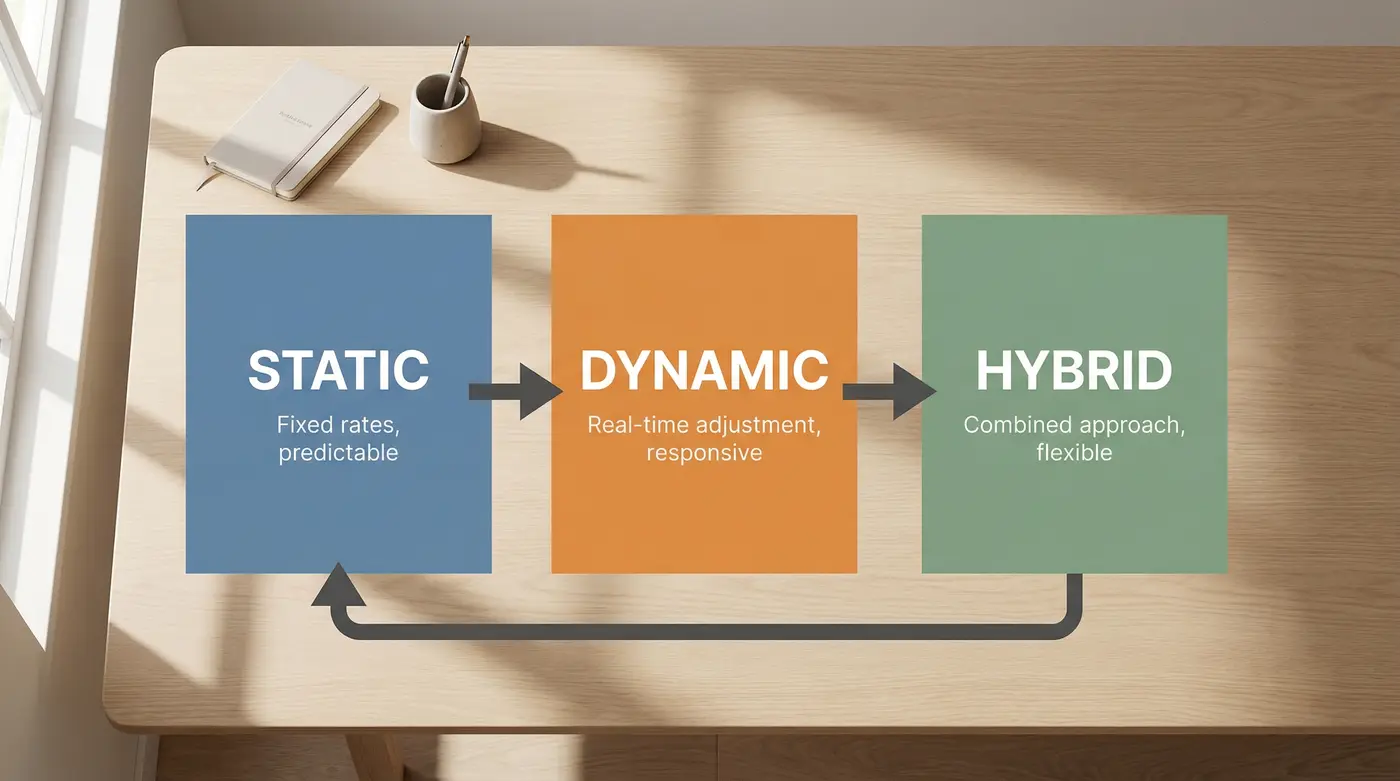
Dynamic pricing strategies use real-time data to adjust prices based on demand, inventory levels, competitor pricing, and customer segments. This maximizes revenue while maintaining competitive positioning in the market.
Key metrics for DTC streetwear brands include customer acquisition cost (CAC), lifetime value (LTV), average order value (AOV), and repeat purchase rates. These metrics should be monitored continuously, with automated alerts when performance falls outside acceptable ranges.
Sustainable & Personalized Fulfillment: Differentiating Through Experience
Sustainability isn’t just good for the planet—it’s good for business. With 88% of consumers preferring brands that demonstrate environmental responsibility, sustainable fulfillment practices create competitive advantages while reducing long-term costs.
Eco-friendly packaging, carbon-neutral shipping options, and circular supply chain practices appeal to environmentally conscious consumers while often reducing material and shipping costs. These initiatives should be communicated clearly as part of your brand story.
Custom unboxing experiences create memorable moments that encourage social sharing and repeat purchases. This doesn’t require expensive packaging—it’s about thoughtful touches that reinforce your brand values and make customers feel special.

Green shipping options, including consolidated shipments and eco-friendly delivery methods, can be positioned as premium services that environmentally conscious customers are willing to pay for, improving both sustainability and profitability.
Retention Over Acquisition: Maximizing Customer Lifetime Value
Acquiring new customers costs five times more than retaining existing ones, making retention the most efficient path to growth. This means creating systems that keep customers engaged, satisfied, and coming back for more.
Loyalty programs should be simple to understand and valuable to participate in. Points, tiers, and exclusive access to new products create ongoing engagement without requiring constant manual management.
Proactive customer communication, including order updates, delivery notifications, and post-purchase follow-ups, keeps customers informed and reduces support inquiries. Automated systems can handle most of these communications, freeing up your team for more complex customer interactions.
Simple, hassle-free returns and exchanges remove purchase anxiety and demonstrate confidence in your products. The easier you make returns, the more likely customers are to make initial purchases and continue buying from you.
Tech Stack Essentials: Future-Proofing Your Operations
Your technology infrastructure determines how efficiently you can scale and adapt to changing market conditions. The right tech stack automates routine tasks, provides actionable insights, and creates seamless customer experiences.
Headless commerce platforms provide the flexibility to quickly adapt frontend experiences while maintaining stable backend operations. This is crucial for streetwear brands that need to capitalize quickly on trends and cultural moments.
AI-powered marketing tools can automate customer segmentation, content creation, and campaign optimization. With 85% of brands using AI for creative research and 79% for production, these tools are becoming essential for maintaining competitive efficiency.
Privacy-first analytics ensure you can make data-driven decisions while respecting customer privacy and complying with evolving regulations. This protects your business while maintaining the insights needed for optimization.
90-Day Action Plan: Concrete Steps for Maximum Efficiency
Implementing efficiency improvements requires a systematic approach. This 90-day plan provides concrete steps for auditing, optimizing, and upgrading your operations:
Days 1-30: Audit and Assessment
– Conduct comprehensive channel profitability analysis
– Review customer acquisition costs and lifetime values
– Assess current fulfillment speed and accuracy
– Evaluate customer service response times and satisfaction scores
– Analyze website conversion rates and abandonment points
Days 31-60: Optimization and Integration
– Implement automated email and SMS marketing flows
– Optimize checkout process for speed and conversion
– Set up dynamic pricing for key products
– Launch user-generated content collection systems
– Integrate social commerce capabilities
Days 61-90: Scaling and Innovation
– Deploy AI-powered personalization tools
– Launch loyalty program and retention initiatives
– Implement advanced analytics and reporting
– Test subscription or membership models
– Plan micro-fulfillment or automation investments
Building a No-Excuses, High-Efficiency Brand for Sustainable Growth
Maximizing efficiency in the DTC streetwear space isn’t about working harder—it’s about working smarter. By implementing the strategies outlined in this simple guide to maximize efficiency, you’re not just optimizing operations; you’re building a foundation for sustainable, scalable growth.
The brands that will dominate in the coming years are those that embrace efficiency as a core value, not just a business strategy. They understand that every inefficiency is an opportunity for competitors to gain ground, and every optimization is a step toward market leadership.
Your customers chose your brand because they believe in the hustle, the grind, and the relentless pursuit of excellence. Your operations should reflect those same values. When your business runs with the efficiency and precision that your customers bring to their own lives, you create alignment that goes beyond products—you create a community of like-minded individuals who support each other’s success.
The simple guide to maximize efficiency isn’t just about business operations—it’s about building a brand that inspires your community while delivering the results that matter: growth, profitability, and the freedom to focus on what you do best. In a world where everyone talks about working harder, be the brand that shows them how to work smarter.
Efficiency is your competitive advantage. Use it.